
Advanced power management and energy storage integration.
Maximize your renewable energy investments and ensure continuous power during grid instability. AWP advanced energy resilience solutions integrate seamlessly with solar installations, wind setups, and hybrid microgrids to deliver reliable backup storage.
Designed for hybrid solar systems, residential energy storage, commercial microgrids, and off-grid resilience.Bridging the gap between renewable generation and constant demand.
Solar power generation is inherently intermittent due to weather fluctuations and nighttime hours. Combining renewable arrays with intelligent energy storage and robust power conversion ensures steady electricity output, protects against grid failures, and optimizes self-consumption.

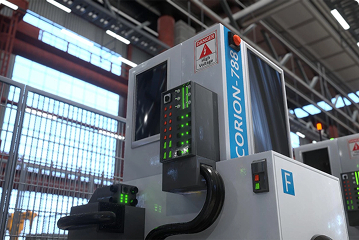
Solar Inverter Integration
Seamlessly couple with PV solar inverters to capture, store, and utilize peak daylight energy efficiently.
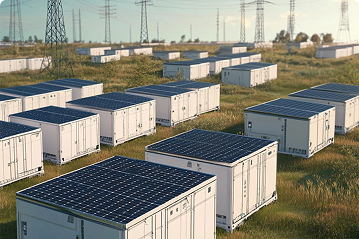
Battery Energy Storage
Store excess renewable generation in high-capacity battery banks for night-time use or sudden grid blackouts.
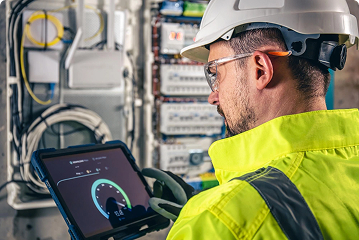
Hybrid Microgrids
Manage dual-source power feeds balancing utility grid supply, solar arrays, and energy storage automatically.
Critical Load Protection
Isolate essential home or business appliances so they remain powered even during extended utility outages.
Energy resilience scaled for homes, businesses, and microgrids.
Match your renewable capacity to the proper hybrid architecture for optimal energy autonomy.
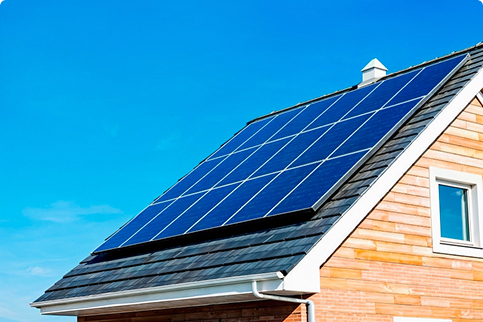
Residential Solar Backup
For homes utilizing rooftop solar panels who need essential backup during evening hours or local grid failures.

Commercial Hybrid Facility
For offices, retail spaces, and small facilities seeking to lower peak demand charges and maintain business continuity.
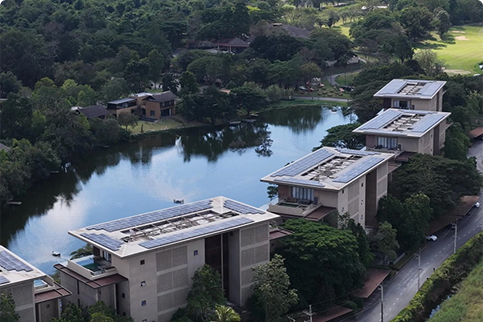
Autonomous Microgrid Hub
For remote sites, islanded communities, or large complexes balancing multiple renewable energy inputs.
Structured evaluation for energy storage and resilience.
Careful assessment of daily solar yields and critical load requirements ensures optimal system sizing and maximum ROI.
-
1
Analyze solar generation profiles
Assess historical rooftop or ground-mount PV production curves across different seasons.
-
2
Identify critical backup loads
Separate essential appliances or facility circuits that must remain powered during blackouts.
-
3
Select hybrid inverter topology
Ensure your inverter supports simultaneous solar harvesting, grid-tie export, and battery storage.
-
4
Determine required battery capacity
Calculate total kilowatt-hours (kWh) needed to bridge nighttime usage or multi-day grid outages.
-
5
Integrate smart monitoring tools
Set up real-time tracking of energy generation, battery state of charge, and grid import/export metrics.
Standard configurations for solar and energy storage.
Explore proven power architectures built for renewable energy integration.
Residential Hybrid Solar Setup
Rooftop PV array + hybrid inverter + lithium battery pack. Powers essential home circuits during grid loss.
Commercial Peak Shaving System
Commercial solar + large-scale energy storage. Lowers peak demand electricity charges during high-tariff hours.
Off-Grid Agricultural Farm
Solar panels + wind turbine + diesel generator hybrid. Delivers independent power to remote operations.
Critical Infrastructure Microgrid
Solar array + automated transfer switch + battery backup. Ensures uninterrupted community water pumping or comms.
Frequently Asked Questions
Maximize your renewable energy and build true resilience.
Tell us about your solar setup, energy storage goals, and backup requirements. We will help you identify the right AWP solution.
Final disclaimer: Recommendations must be confirmed using the specifications of the exact locally available model. A UPS does not replace safe electrical installation or equipment-specific operating requirements.